SWEDD Governance
Explore SWEDD knowledge
ASSISTED RESPONSE
Answer to your question
Loading resources…
Results ranked by documentary relevance.
No results
Try removing a filter or using more general terms.
SWEDD GUIDED QUESTION
Check the question
You can review or edit the question before launching the assisted search.
coordinators
Dr Comlan E. ADJOVI
Benin
Michel OUABA
Burkina Faso
Dr Mbah Ngami GLORY
Cameroon
Lassina TOURE
Ivory Coast
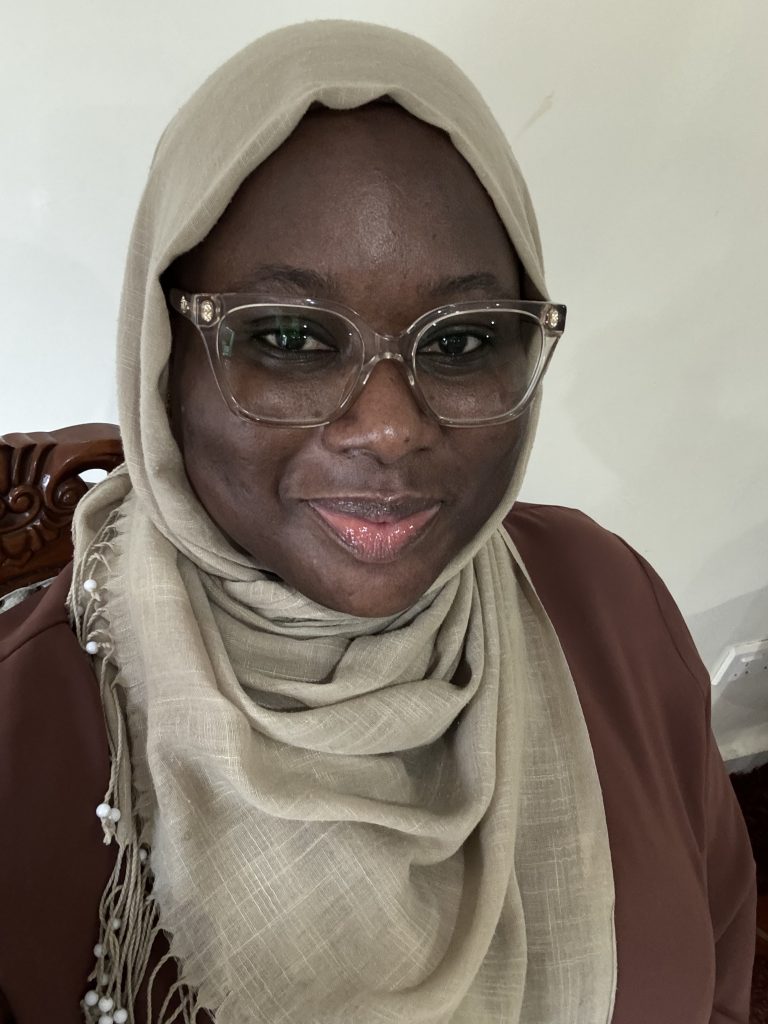
Fatou Sagarr JAGNE
Gambia
Mamadou S. BAH
Guinea
Moussa SIDIBE
Mali
Abass SYLLA
Mauritania
Youssouf Aware NEISSA
Chad
Dr Adjoussi AKEDAGUE
Togo
Boubacar Ali DOUNGO
Niger
Birahim SIDIBE
Senegal
The World Bank
The SWEDD project is part of the World Bank's broader commitment to women's empowerment in Africa, with a total investment exceeding $1 billion. The project's objectives are aligned with the mission and vision of the ECCAS and ECOWAS, and contribute to achieving the goals of the African Union's Agenda 2063 and the World Bank's poverty reduction efforts. The SWEDD project aims to empower women and girls by enabling them to make decisions that will have a lasting impact on the development of their communities. This financial commitment from the World Bank underscores the importance of women's and girls' empowerment in the fight against poverty and the promotion of sustainable development in the Sahel region. The recently approved SWEDD+ initiative strengthens this financial commitment, bringing the World Bank's total investment to $1,04 billion.
Regional Technical Secretariat / UNFPA
UNFPA’s technical assistance to the SWEDD project is of crucial importance to its success. Indeed, UNFPA, as the United Nations specialized agency for sexual and reproductive health, has unique expertise in key project areas, such as family planning, maternal health, combating gender-based violence and the empowerment of women and girls.
Through its technical support, UNFPA strengthens the capacities of national and regional actors involved in the project, particularly in data collection and analysis, policy and programme development, training of health personnel and community education. This assistance helps ensure the quality and relevance of the interventions implemented under SWEDD, by aligning them with international best practices and adapting them to local contexts.
In addition, UNFPA plays a key role in coordinating the efforts of the different project partners, facilitating dialogue, sharing experiences and capitalizing on lessons learned. This collaborative approach helps maximize the impact of SWEDD and ensure its sustainability, by strengthening health systems and community structures so that they can continue to support the empowerment of women and girls long after the project ends.
West African Health Organization
The West African Health Organization ( WAHO ) plays a crucial role in the SWEDD project as a key technical partner. It provides its public health expertise to strengthen the health systems of participating countries. WAHO works closely with governments and other partners to improve access to reproductive, maternal, and child health services, particularly for adolescent girls and young women. It also contributes to the training of health personnel, the promotion of health education, and the implementation of effective health policies. Furthermore, WAHO facilitates regional coordination and the sharing of best practices in health, thereby strengthening the overall impact of the SWEDD project on the health and well-being of the region's population.
Economic Community of Central African States (ECCAS)
The Economic Community of Central African States (ECCAS) is a key partner in the SWEDD project, contributing to regional coordination and harmonization of health and social development policies. Its commitment to the project reflects the willingness of Central African countries to collaborate to improve the status of women and girls, and to foster inclusive and sustainable economic growth in the region.